
Beyond the Cycle of Survival: Wages, Health, and Justice for Farmworkers
This report explores how low wages and economic inequity impact the health of farmworkers and their families in California, and describes the importance of setting livable wage standards industry-wide.
April 8, 2026
Beyond the Cycle of Survival: Wages, Health, and Justice for Farmworkers
This report explores how low wages and economic inequity impact the health of farmworkers and their families in California, and describes the importance of setting livable wage standards industry-wide.

Beyond the Cycle of Survival: Wages, Health, and Justice for Farmworkers
This report explores how low wages and economic inequity impact the health of farmworkers and their families in California, and describes the importance of setting livable wage standards industry-wide.
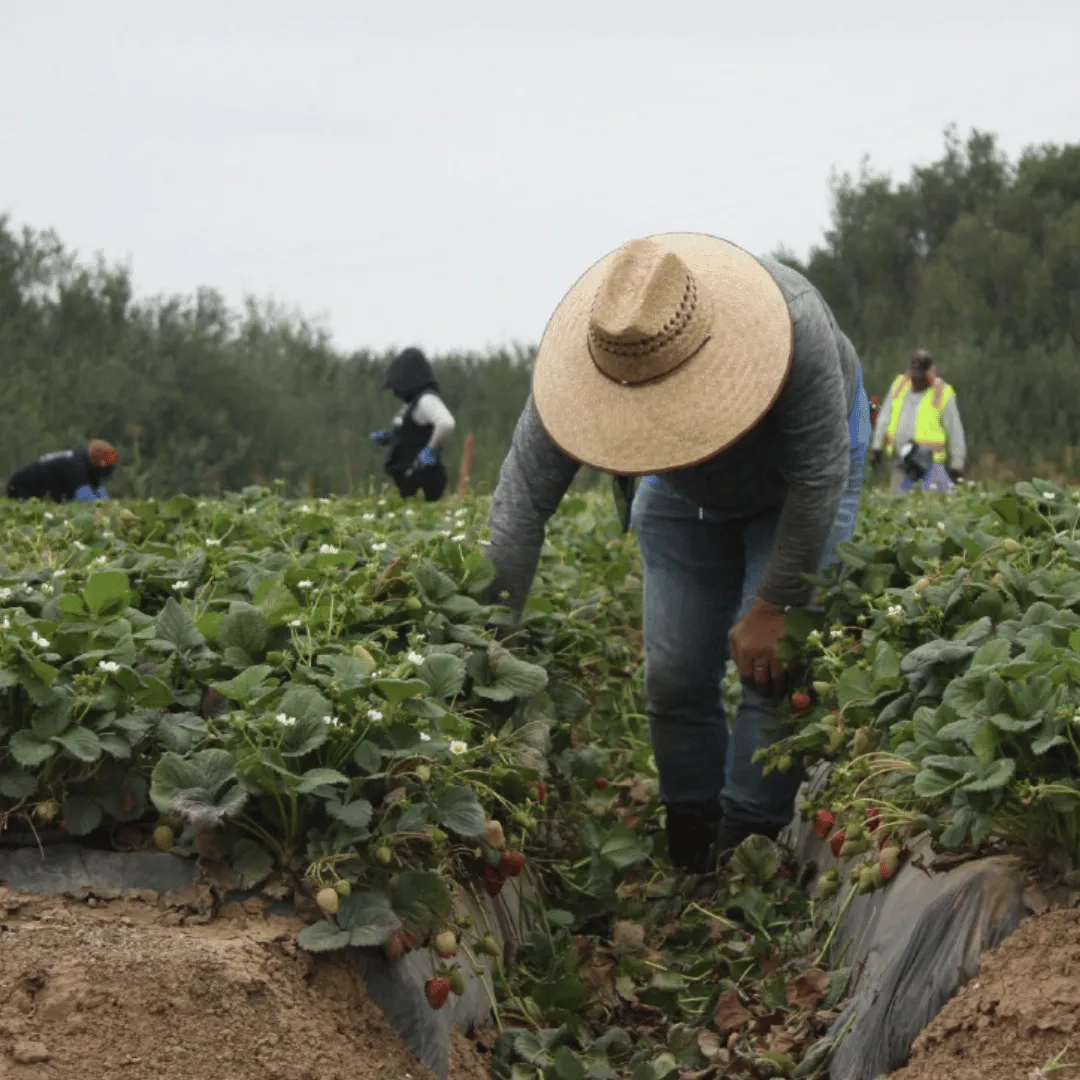
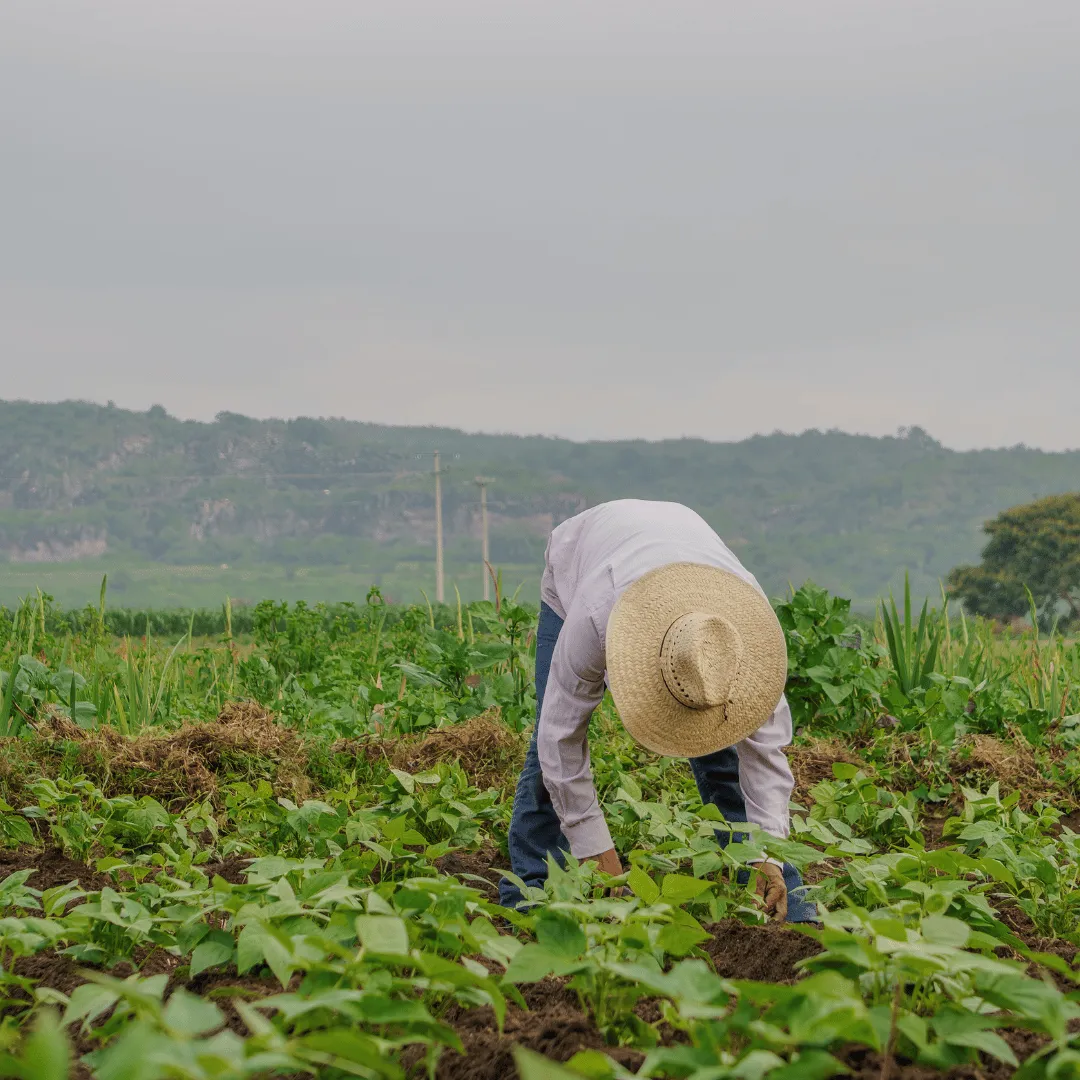
California is an agricultural powerhouse, with over 75% of the nation’s fruits and nuts hailing from the state. This $60 billion agricultural industry runs on the labor of 900,000 farmworkers who put food on our plates. Yet, the very people who create this wealth and help feed our country are paid poverty wages and experience some of the most dangerous working conditions across California.
This report explores how low wages and economic inequity impact the health of farmworkers and their families in California. Low wages are not just an economic issue — they are a public health crisis. Poverty pay contributes to higher rates of workplace injuries, chronic illness, poor birth outcomes, stress, and anxiety among farmworker families. These harms ripple throughout whole communities.
The people whose labor puts food on our tables should be able to provide for their own families. Setting livable wage standards industry-wide will improve health and quality of life for farmworkers and their families. When farmworkers earn livable wages, the benefits extend far beyond individual households; healthier workers mean healthier communities, stronger local and state economies, and a more resilient California.
Our conclusions draw from conversations with 21 farmworkers who spoke powerfully about their lives, an analysis of health and economic data, and a review of relevant health and economic literature. Our work focuses primarily on crop workers in Tulare, Madera, San Joaquin, Fresno, Sonoma, Napa, Monterey, Santa Cruz, and Santa Barbara Counties, but the conclusions extend beyond that: all farmworkers everywhere need livable wages to live with health and dignity.
Key Findings
- Our agricultural system is built upon a foundation of racial capitalism, enslavement, genocide, segregation, and diminished social and economic rights. Farmworkers experience layered injustices that stem from the exploitative roots of our agricultural system and outsized power of large, profitable agribusinesses.
- Farmworker wages are unlivable and inequitable. Median crop farmworker wages are about $17 per hour in California while median annual salaries are only $15,000 — far below what is necessary for the state’s high costs of living, lower than comparable jobs outside of agriculture, and much lower than what agricultural supervisors and managers earn. Indigenous and female farmworkers are paid the least of all, as well as those who work for Farm Labor Contractors (FLCs).
- Large, profitable agribusinesses dominate California’s $60 billion agricultural industry. Non-family farms and large-scale family farms make up 21% of all California farms, yet they generate 92% of the state’s total agricultural production value. Meanwhile, small farms produce just 4%. Our data suggests the industry has the profit, income, and wealth to raise farmworker pay. In fact, many farms already pay $30 per hour for H-2A guest workers.
- Farmworker wages are insufficient to fully cover essential expenses like medical care, food, housing, and utilities. For farmworkers, financial insecurity and poverty wages are linked to depression, anxiety, back pain, worse self-reported health, higher rates of diabetes, and more. Children of farmworkers are also impacted, as low wages make it difficult to support families' material needs. Prior research suggests that income inequality hurts everyone, not just those at the lower end of the income spectrum
- Ensuring livable wages would improve health and quality of life for farmworkers and their families, enabling them to not just survive, but thrive. Our data analyses also show that raising wages could result in measurable improvements in farmworkers’ overall health, extend life expectancy by nearly three years, and decrease adverse birth outcomes.
False concerns about the impact of minimum wages on the economy have been debunked since the 1990s. Modern economic research shows that increased labor costs are offset by recruiting and training cost savings. Any resulting increase in consumer prices would be just a few dollars per month. At the same time, higher minimum wages would also increase community-level economic activity and reduce inequality.
Policy Recommendations
Based on the findings in this report, we recommend that California’s decision makers ensure an industry-wide livable wage standard for farmworkers.
.webp)
.webp)
.webp)
.webp)


